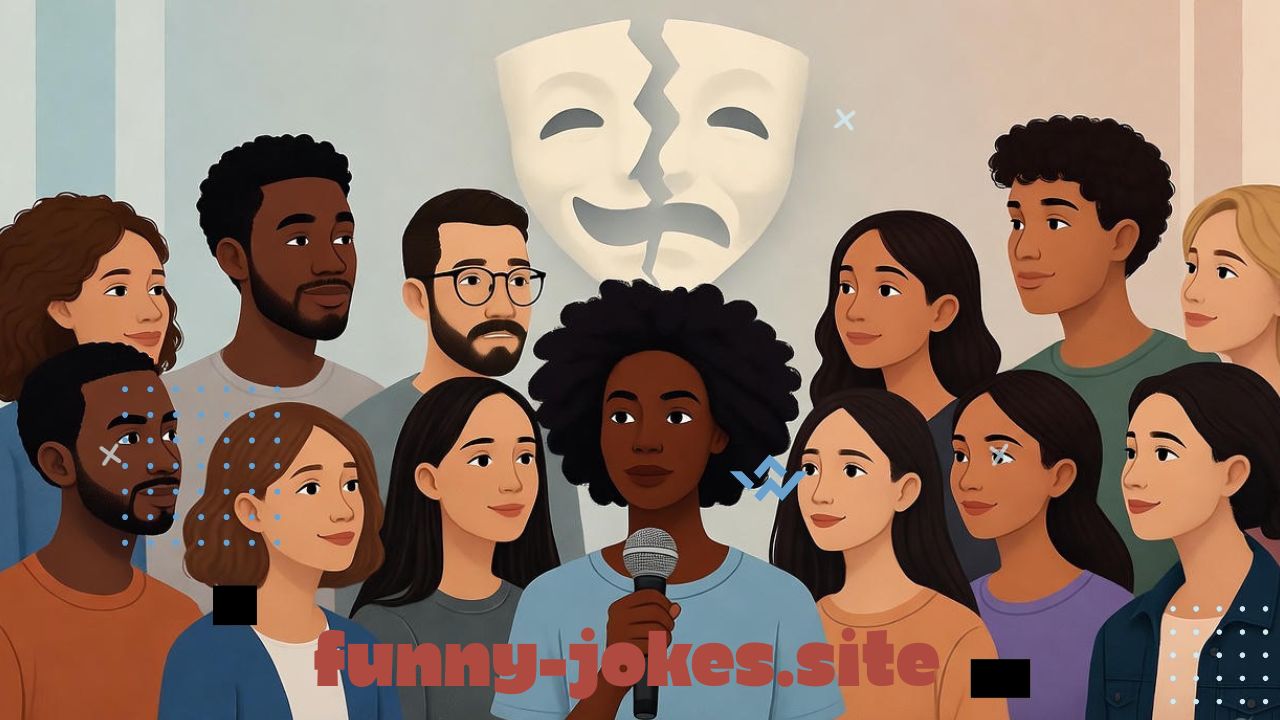
The Hidden Harm Behind Racist Jokes: Let’s Talk About It
We all enjoy a good laugh — it’s one of life’s best medicines. Whether it’s a funny meme, a silly pun, or a clever story, humor has the power to connect people and lift moods. But what happens when a joke stops being harmless and starts hurting people instead?
That’s where racist jokes come in — the kind that target someone’s race, accent, skin color, or background. Many people still shrug and say, “It’s just a joke,” but the truth is, these kinds of jokes do real damage. They may seem small or harmless, but their impact runs deep. So, let’s talk about it — openly, honestly, and with a little compassion.
What Are Racist Jokes, Really?
A racist joke is one that makes fun of a person or group of people because of their race, nationality, or culture. It might sound like a “harmless” stereotype or a joke “everyone used to tell,” but what it really does is turn someone’s identity into a punchline.
Here’s the thing: humor should make people feel good. It should bring people together, not single anyone out. If someone has to feel embarrassed or offended for others to laugh, that’s not comedy — that’s cruelty in disguise.
Why People Still Tell Racist Jokes
You might wonder, “If racist jokes are so bad, why do people still tell them?” There are a few reasons — and understanding them helps us change things.
- Old habits die hard. Some people grew up hearing these jokes and never questioned them.
- Peer pressure. In some friend groups, laughing along feels easier than speaking up.
- Ignorance. Not everyone realizes that what they’re saying is offensive or hurtful.
- Wanting attention. Some tell edgy jokes just to get a reaction or look “funny.”
But none of these excuses make it okay. The world has moved on, and so should our humor.
The Hidden Harm: Why Racist Jokes Aren’t Harmless
When people say “it’s just a joke,” they ignore how powerful words can be. Racist jokes do more than make someone uncomfortable for a moment — they reinforce stereotypes and create invisible barriers between people.
Here’s how they cause harm:
1. They normalize racism
Hearing a joke over and over again makes it sound “normal.” Soon, stereotypes feel acceptable — and that’s dangerous.
2. They create emotional wounds
Even if someone laughs along, racist jokes can make them feel like they don’t belong. That hurt can stick with them long after the laughter fades.
3. They divide communities
Jokes that mock someone’s culture or race make it harder for people to feel united. Instead of laughing together, we end up laughing at each other.
4. They teach the wrong lessons
Young people, especially, learn from what they hear. If they grow up thinking racist jokes are “funny,” they might carry those attitudes into adulthood.
Real Talk: Laughter Should Never Hurt
Comedy is one of the best things about being human — but good comedy has evolved. Today’s best comedians can make people laugh without offending anyone.
You don’t need to punch down on someone’s race or culture to be funny. In fact, the best jokes often come from everyday life — the struggles of school, relationships, technology, or just trying to be an adult.
When humor is kind and creative, everyone gets to laugh.
How to Handle Racist Jokes When You Hear Them
It’s not easy to speak up, especially if it’s a friend, relative, or coworker making the joke. But silence can feel like approval. Here are a few ways to respond calmly and respectfully:
1. Don’t laugh — stay neutral.
Your reaction matters. If you don’t laugh, people notice. It sends a quiet but powerful message.
2. Change the subject.
You can simply move the conversation elsewhere: “Anyway, did you see that new movie?” It breaks the moment without confrontation.
3. Speak up (if it feels safe).
Try saying something like:
- “That joke feels a bit off — maybe not the best one.”
- “I think we’ve moved past jokes like that.”
It’s short, calm, and makes your point.
4. Use humor to defuse it.
Sometimes, turning it around with a light comment works. For example:
- “That joke expired in the 90s!”
It keeps things friendly but clear.
What Makes a Joke Truly Funny?
Here’s a quick way to tell if your joke is actually funny — or just mean:
✅ It makes everyone laugh, not just a few.
✅ It’s relatable. People see themselves in it.
✅ It’s creative. It surprises people without targeting anyone.
✅ It brings people closer together.
Humor that includes everyone always lasts longer than humor that hurts someone.
Real-World Example
Let’s say you’re at a party and someone cracks a racist joke. A few people laugh, a few look away. The mood suddenly feels weird. That’s what happens when humor crosses a line — it divides the room.
Now imagine someone telling a clever joke about everyday life, like trying to make Wi-Fi work or forgetting a password. Everyone laughs because it’s something we all experience.
See the difference? One creates tension; the other creates connection.
Moving Forward: Let’s Laugh Better
We can’t erase the past, but we can shape the future — one laugh at a time. Let’s choose humor that’s kind, smart, and unifying.
If you run a website, post on social media, or just tell jokes with friends, think about the kind of laughter you want to spread. You can be funny and respectful at the same time.
The world doesn’t need fewer jokes — it just needs better ones.
