AI in Finance & Insurance: The $10 Trillion Opportunity in 2026
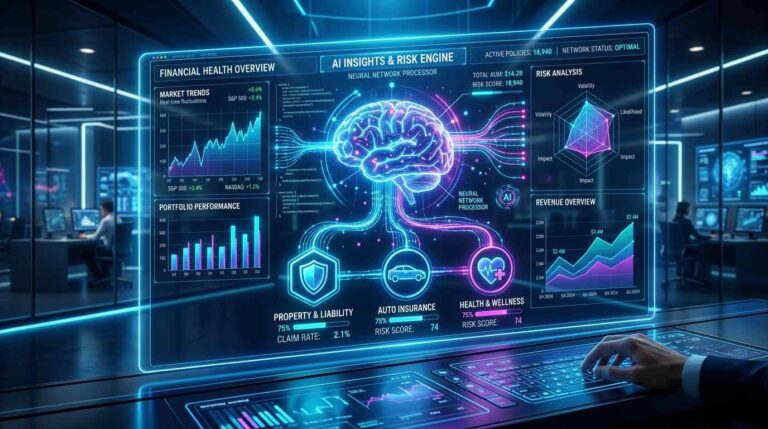
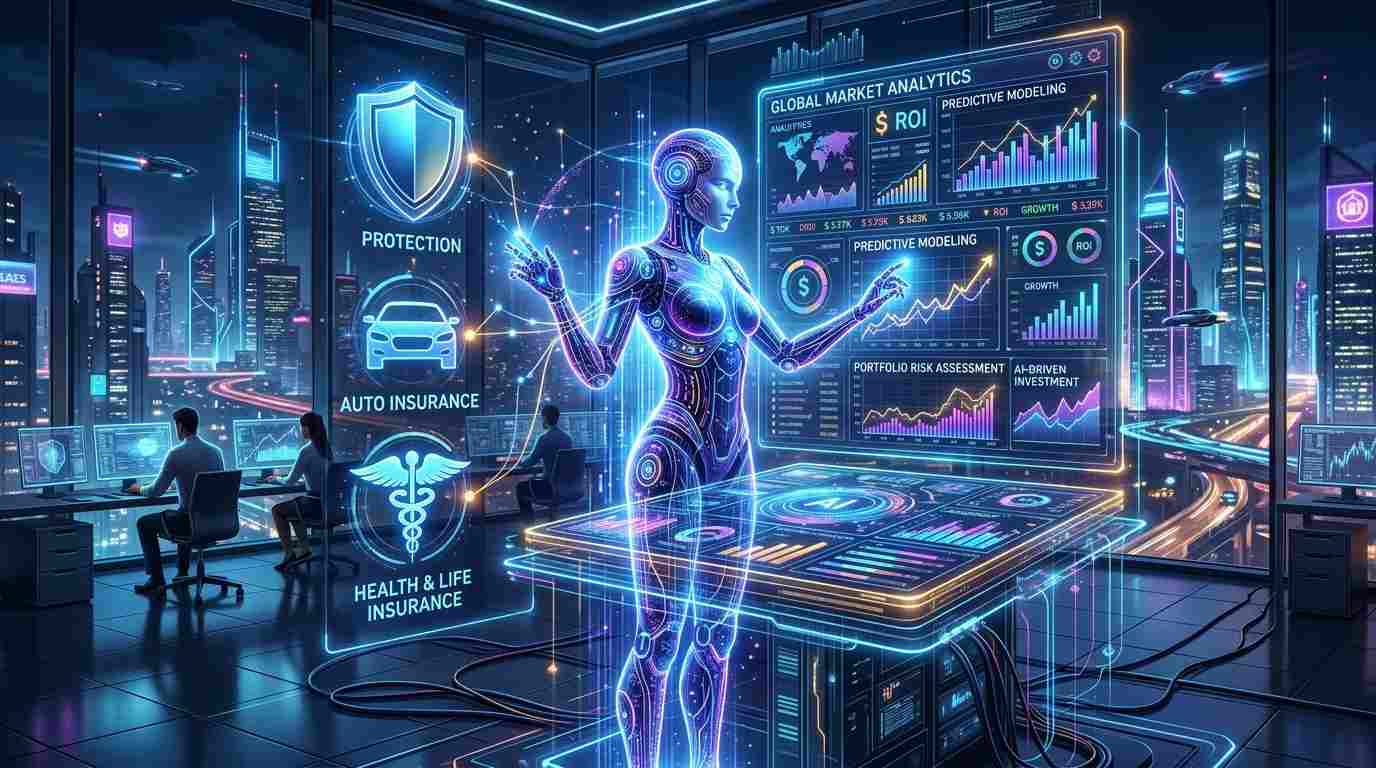
Artificial Intelligence is no longer just a buzzword—it’s the backbone of a massive transformation in the global economy. In 2026, AI is reshaping how money is managed, risks are calculated, and services are delivered across both finance and insurance. Experts estimate that AI could unlock a $10 trillion opportunity, driven by automation, smarter decision-making, and hyper-personalized services.
Let’s break down how this revolution is unfolding—and why it matters more than ever.
🚀 The Rise of AI in Finance and Insurance
Over the past few years, AI has evolved from simple automation tools to advanced systems capable of learning, predicting, and even making decisions.
In finance and insurance, this shift is creating:
- Faster operations
- Lower costs
- Better customer experiences
- More accurate risk management
What used to take days or weeks—like loan approvals or insurance claims—is now happening in minutes.
💰 Where the $10 Trillion Opportunity Comes From
The massive economic value of AI in this sector comes from multiple areas:
1. Cost Reduction Through Automation
AI eliminates repetitive manual work such as:
- Data entry
- Claims processing
- Fraud detection
Banks and insurance companies are saving billions by reducing operational costs.
2. Smarter Decision-Making with Data
AI analyzes massive datasets in real time, helping companies:
- Predict market trends
- Assess credit risk
- Detect fraudulent transactions
This leads to more accurate and profitable decisions.
3. Hyper-Personalized Financial Services
In 2026, personalization is everything.
AI enables:
- Custom insurance premiums based on behavior
- Personalized investment strategies
- Tailored loan offers
Customers now receive services that fit their exact needs—not generic packages.
4. New Revenue Streams
AI is creating entirely new business models, such as:
- Robo-advisors managing investments
- Usage-based insurance (pay-as-you-go models)
- AI-driven financial planning apps
These innovations are opening new markets and revenue channels.
🏦 AI in Finance: Key Transformations
🔹 AI-Powered Banking
Banks are using AI for:
- Chatbots and virtual assistants
- Real-time fraud detection
- Automated loan approvals
This improves efficiency while reducing human error.
🔹 Algorithmic Trading
AI systems analyze market data in milliseconds to execute trades faster than humans ever could.
Result:
- Higher returns
- Reduced risk
- Smarter investment strategies
🔹 Autonomous Finance
One of the biggest trends in 2026 is AI managing money automatically.
Imagine:
- Bills paid automatically
- Savings optimized without effort
- Investments adjusted in real-time
This is the future of personal finance.
🛡️ AI in Insurance: A Game Changer
🔹 Faster Claims Processing
AI can:
- Analyze damage through images
- Verify claims instantly
- Detect fraud automatically
Claims that once took weeks now take minutes.
🔹 Usage-Based Insurance
Insurance companies now track real-world behavior using IoT devices.
Examples:
- Safe drivers pay lower premiums
- Healthy individuals get cheaper health insurance
This creates a fairer pricing system.
🔹 Predictive Risk Assessment
AI predicts risks before they happen by analyzing:
- Weather patterns
- Health data
- Driving behavior
This allows insurers to prevent losses instead of just reacting to them.
🤖 The Role of InsurTech & Fintech
The rise of Fintech and InsurTech startups is accelerating innovation.
These companies are:
- Faster than traditional institutions
- More tech-driven
- Focused on user experience
They are forcing banks and insurers to adapt—or risk becoming obsolete.
⚠️ Challenges and Risks
Despite its potential, AI in finance and insurance comes with challenges:
🔸 Data Privacy Concerns
Handling sensitive financial and personal data raises security risks.
🔸 Bias in AI Models
If AI systems are trained on biased data, they can make unfair decisions.
🔸 Regulatory Issues
Governments are still catching up with AI regulations, creating uncertainty.
🌍 The Future: What to Expect Beyond 2026
The next phase of AI in finance and insurance will include:
- Fully autonomous financial ecosystems
- Real-time global transactions without intermediaries
- AI-driven insurance policies that adjust dynamically
- Deeper integration with wearable and smart devices
The line between finance, insurance, and technology will continue to blur.
💡 Final Thoughts
The $10 trillion opportunity is not just a prediction—it’s already unfolding.
AI is transforming finance and insurance into:
- Faster systems
- Smarter services
- More personalized experiences
For businesses, this is a chance to innovate and grow.
For individuals, it means better control over money and protection.
One thing is clear:
Those who adapt to AI will lead the future—those who don’t will struggle to keep up.