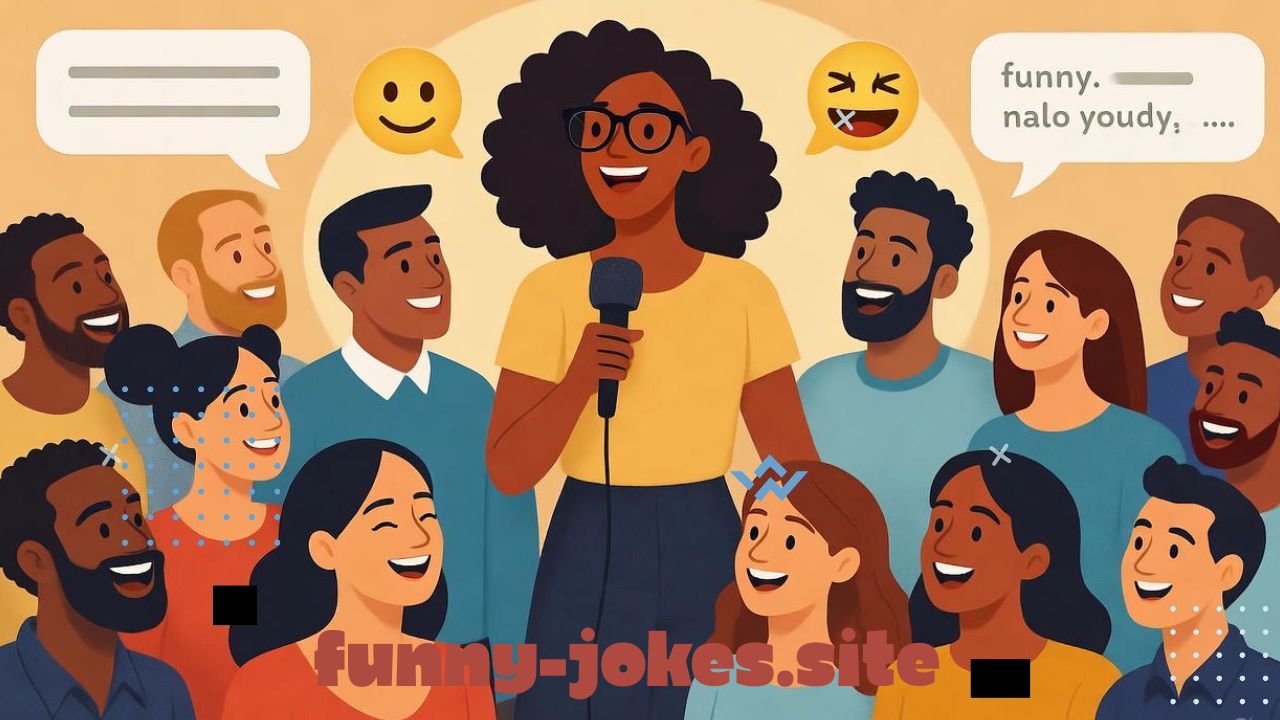
Can a Joke Be Funny Without Being Racist? Yes — Here’s How
Let’s face it — the world could always use a little more laughter. Jokes have this amazing power to break the ice, lighten the mood, and bring people together. But sometimes, that laughter comes with a cost — especially when the joke targets someone’s race, accent, or background.
So here’s the big question: Can a joke still be funny without being racist?
The short answer is yes — absolutely!
In fact, the best jokes are the ones that make everyone laugh together, not at someone. Let’s talk about how to make humor work without crossing the line.
Why Some People Still Think Racist Jokes Are “Funny”
Before we talk about better humor, let’s be honest — some people still use racist jokes. Why? Usually for a few reasons:
- Old habits. They grew up hearing those jokes and never thought about their impact.
- Peer pressure. Sometimes, people laugh along just to “fit in.”
- Shock value. They think being “edgy” makes them funny.
- Ignorance. They don’t realize the harm their words cause.
But here’s the truth: humor that relies on insulting someone’s identity isn’t really funny — it’s lazy. Great comedy is creative, not cruel.
What Makes Racist Jokes So Harmful?
You’ve probably heard someone say, “Relax, it’s just a joke.” But here’s the thing — racist jokes aren’t harmless. They might seem small in the moment, but they leave a lasting impact.
Here’s how they do damage:
- They reinforce stereotypes. Every time someone laughs at a racist joke, it spreads the idea that certain stereotypes are true — and they’re not.
- They make people feel unwelcome. Even if it’s said “as a joke,” it can make people feel excluded or disrespected.
- They normalize prejudice. If we keep laughing at the wrong things, we start believing that discrimination is “no big deal.”
- They divide people. Instead of connecting us through laughter, they build invisible walls between groups.
So no, racist jokes aren’t funny. But that doesn’t mean humor is dead. It just means we have to get smarter about it.
The Secret to Great (and Kind) Humor
Here’s the good news — you can be hilarious without being hurtful.
The funniest people today don’t rely on cheap shots or old stereotypes. They find humor in the real stuff of life — the awkward, relatable, human moments everyone can laugh at.
Let’s look at how to do that.
1. Laugh About Situations, Not Identities
The best jokes are about shared experiences — things everyone understands.
For example:
“Why does Wi-Fi always stop working right when I’m trying to look responsible during a Zoom meeting?”
Everyone laughs because everyone’s been there. No one feels targeted or offended. That’s smart humor.
2. Use Self-Deprecating Humor
Making gentle fun of yourself can be both relatable and endearing.
For example:
“I told my brain to go to the gym today… it sent my body a text that said ‘Maybe tomorrow.’”
It’s funny, it’s harmless, and it connects with anyone who’s ever struggled with motivation (so, basically everyone).
3. Find the Funny in Everyday Life
Real life is full of comedy gold. From weird autocorrect fails to the struggle of remembering passwords, you’ll never run out of material that doesn’t offend anyone.
The key is to notice the little things and exaggerate them in a fun way. Observational humor is timeless because it makes people think, “That’s so true!”
4. Avoid “Us vs. Them” Humor
Whenever a joke sets up a divide — like “these people do this” or “those people are like that” — it’s probably crossing a line. The moment your punchline depends on putting someone down, it stops being funny and starts being harmful.
Instead, find the humor that connects everyone. Laugh with people, not at them.
5. Test Your Material
Before you share a joke or meme, ask yourself:
- Would I say this in front of the person I’m joking about?
- Would I still think it’s funny if the roles were reversed?
- Would I tell this joke at work, in class, or around kids?
If you hesitate, that’s your answer — skip it. The best jokes don’t need a target to hit.
Why Inclusive Humor Is Actually Funnier
Here’s the funny thing (pun intended): when humor is inclusive, it’s often more creative. You’re not relying on lazy stereotypes — you’re finding fresh, clever ways to make people laugh.
Inclusive jokes surprise us, make us think, and bring us closer together. They work in every crowd — friends, coworkers, strangers online — because they don’t make anyone feel small.
And let’s be honest, laughter feels way better when everyone can join in.
Real-World Example
Imagine this:
Two people tell jokes at a party.
- Person A cracks a racist joke. Some people laugh awkwardly, others stay quiet, and the room feels uncomfortable.
- Person B tells a clever joke about the struggles of adulting — bills, chores, caffeine addiction. Everyone laughs because everyone relates.
Who do you think people will want to hear from again?
Exactly.
Final Thoughts
So, can a joke be funny without being racist? Of course! In fact, that’s the only kind of funny that truly lasts. Racist jokes might get cheap laughs, but they leave bad aftertastes. Smart humor — the kind that’s relatable, creative, and kind — makes people laugh and respect you.
The next time you’re about to tell a joke, ask yourself:
“Will this make everyone laugh — or just a few at someone else’s expense?”
Choose laughter that unites, not divides. Because the best kind of comedy doesn’t just make noise — it makes people feel good.
